Ukraine's Zelensky defies Trump with Russian refinery strikes / Photo: Henry Nicholls - POOL/AFP
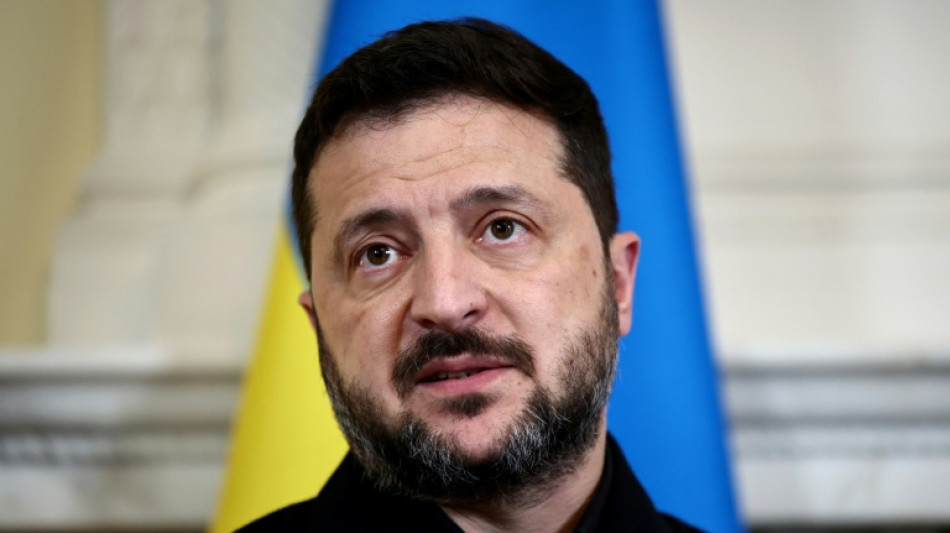
Ukraine will no longer abide by US President Donald Trump's demands not to strike Russian oil refineries, President Volodymyr Zelensky said in remarks published Thursday, amid deepening tensions between the two leaders over a US-Russia diesel agreement.
Relations between Kyiv and Washington have soured since last week, when Trump eased sanctions on Russia in exchange for Moscow releasing large amounts of diesel onto global markets.
Zelensky described the deal as a "weak decision", saying it would encourage Russia to prolong its four-and-a-half-year war with Ukraine, while several of Ukraine's European allies criticised the agreement.
Addressing the criticism on Saturday, Trump claimed Ukrainian attacks on Russian oil refineries were to blame for rising diesel prices and said it was "time for Ukraine to get a new president".
"The block (on attacking refineries) is out," Zelensky told the Financial Times in an interview published on Thursday. "We're done."
Trump had announced on Sunday a surprise "energy ceasefire" between Russia and Ukraine, which Zelensky said he knew nothing about.
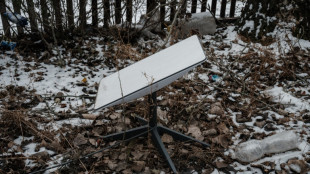
And earlier this week, Ukraine reported disruptions to a critical US satellite communications system that its army uses on the battlefield.
"We need HONESTY from our partners about this war," Zelensky wrote on social media on Thursday.
In an interview with British journalist Piers Morgan on Wednesday, Zelensky agreed that he felt "betrayed" by Trump's diesel-supply deal with Russia's Vladimir Putin.
He also questioned the advice that Trump was receiving, after senior Ukrainian officials in Kyiv openly accused the United States of helping Russia.
"It's painful when President Trump chooses one side, not our side," he said.
"I think his advisors are wrong... This is not (the) right side of history."
Since launching a full-scale invasion of its neighbour in 2022, Russia has systematically hit Ukrainian energy infrastructure, leading to energy and heating shortages -- while Ukraine has hit back at Russian oil refineries it says fund the war.
More recently, Trump's war in Iran has led to oil shortages and ensuing price spikes, creating major headwinds for his Republican Party ahead of midterm elections early next month.
- Satellite row -
The Kremlin accused Ukraine on Thursday of derailing US peace efforts by resuming its strikes.
Russia on Thursday reported that an oil refinery in Ryazan, south of the capital, Moscow, had been hit in a "large-scale attack".
Kyiv "continues to launch strikes against these facilities," Kremlin spokesman Dmitry Peskov told reporters.
"It is coming into serious conflict with the peace efforts of the United States and American negotiators, who are making vigorous efforts to initiate the peace process," he added.
Much of the outrage in Ukraine this week has been over restrictions to the Starshield satellite communications system that its military relies upon to detect incoming Russian attacks and to coordinate its frontline response.
Defence officials confirmed that the United States had threatened to withdraw intelligence-sharing if Ukraine continued long-range strikes on Russian oil refineries.
Powerful ballistic missiles struck Kyiv and the surrounding region on Tuesday and Wednesday night, before air raid sirens could sound warning people to take cover.
But tech billionaire Elon Musk, who has also called for Zelensky to be replaced as leader, said his SpaceX company was not behind any disruption to the Starshield system.
"Starshield systems are owned and controlled by the US government," he said.
"Any limits on speed or usage are decided by the US military and ultimately POTUS," he added, referring to Trump.
Ukraine uses the Starshield system from Musk's SpaceX for battlefield communications, mid-range strikes on Russian-occupied territory and interceptor drones.
It is separate from the parallel Starlink civilian satellite system, which Ukraine also uses but not for offensive operations.
Speeds were slower on Wednesday, affecting connectivity, officials said.
Russia has intensified its bombardment of Ukraine and its capital in recent months, leading to mounting civilian casualties and disrupting daily life for citizens.
Moscow currently occupies around a fifth of Ukraine, including Crimea, which it annexed in 2014.
F.Varghese--BD