Iran and US say could be close to talks breakthrough / Photo: - - Iranian Presidency/AFP
Senior US and Iranian officials said on Saturday they could be close to a breakthrough in talks to strike a draft deal to end the war in the Middle East.
Iran said gaps remain between the parties, and the dispute over its nuclear programme would not be part of the initial talks.
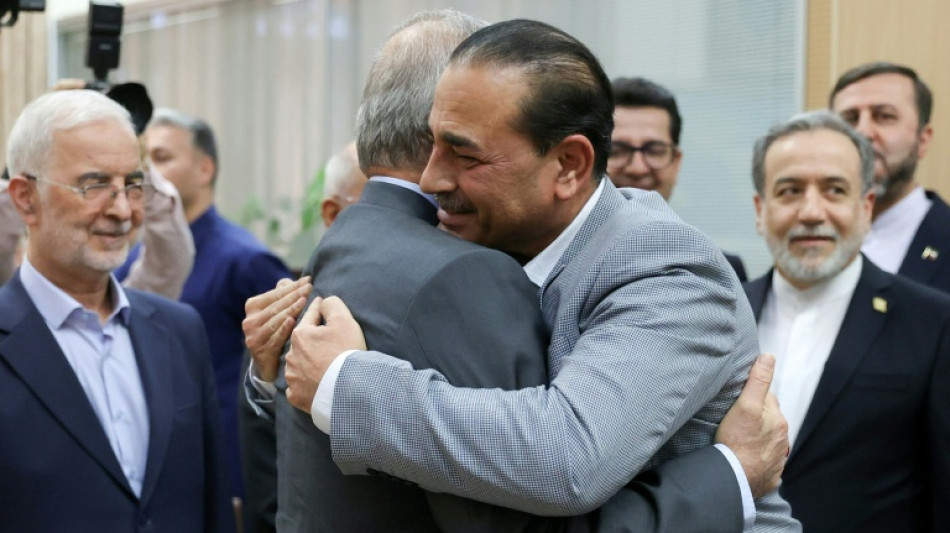
But US Secretary of State Marco Rubio expressed optimism, just as Pakistan's army chief, a key go-between between the United States and Iran, left Tehran after two days of talks with senior Iranian leaders.
"There is a chance that, whether it's later today, tomorrow, in a couple days, we may have something to say," Rubio told reporters Saturday during a visit to New Delhi, adding that he hoped that he would soon be able to announce "good news".
The Iranian foreign ministry also said that a draft deal might at last be close.
"Our intention was first to draft a memorandum of understanding, a kind of framework agreement composed of 14 clauses," foreign ministry spokesman Esmaeil Baqaei said on state television.
He noted what he called "a trend towards rapprochement" but said "it does not necessarily mean that we and the United States will reach an agreement on the important issues."
Iran's chief negotiator Mohammad Bagher Ghalibaf had warned earlier that Washington would face a tough response if it resumes hostilities, after US media reports raised the prospect of new strikes and Iranian officials accused the US side of making "excessive demands".
"Our armed forces have rebuilt themselves during the ceasefire period in such a way that if Trump commits another act of folly and restarts the war, it will certainly be more crushing and bitter for the United States than on the first day of the war," Ghalibaf posted on social media.
He issued the warning after meeting in Tehran with Pakistan's army chief Field Marshal Asim Munir, a leading figure in international efforts to negotiate an end to the war, which broke out after the United States and Israel attacked the Islamic republic on February 28.
Weeks of negotiations -- including historic face-to-face talks hosted by Islamabad -- have still not produced a permanent resolution or restored full access to the Strait of Hormuz, choking vast quantities of global oil supply.
The impasse has left ordinary Iranians in limbo.
"The state of 'neither war nor peace' is far filthier than war itself," 39-year-old Tehran resident Shahrzad told AFP.
"You can't even plan something as simple as signing up for a gym, let alone bigger things... I'm about to start a new job, and I'm scared war might break out again —- that I'll end up leaving the job like before, running off to another city out of fear," she said.
Iran's Foreign Minister Abbas Araghchi said in a call with UN Secretary-General Antonio Guterres that Tehran was engaged despite "repeated betrayals of diplomacy and military aggression against Iran, along with contradictory positions and repeated excessive demands" by Washington.
Araghchi held a bevy of diplomatic calls, speaking with his counterparts from Turkey, Iraq, Qatar, and Oman, IRNA said.
US President Donald Trump also spoke on Saturday with the Emir of Qatar Sheikh Tamim bin Hamad Al Thani, whose office said he had told Trump he supports "all initiatives aimed at containing the crisis through dialogue and diplomacy".
- Israel strikes Lebanon -
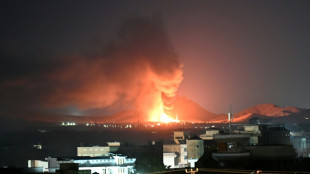
Israel warned the residents of 15 villages in southern Lebanon to evacuate their homes immediately on Saturday to avoid planned air strikes against alleged Hezbollah targets as fighting has not stopped on the Lebanon front of the regional war.
Since an April 17 ceasefire, Israel has continued strikes, demolitions and evacuation orders in south Lebanon, saying it is targeting Hezbollah, which has also kept up attacks on Israeli forces.
Hezbollah drew Lebanon into the war on March 2 with rocket fire at Israel after Iran's supreme leader was killed by US-Israeli strikes.
Hezbollah said Saturday that a message from Tehran showed that Iran would not abandon the Lebanese group and the Islamic republic's proposal to end the US-Iran war includes a ceasefire in Lebanon.
Iran-backed Hezbollah said its chief Naim Qassem had received a message from Araghchi, indicating that Iran "will not give up its support for movements demanding justice and freedom, foremost among them Hezbollah".
In Iran's latest proposal through Pakistani mediators aimed at achieving "a permanent and stable end to the war, the demand to include Lebanon in the ceasefire was emphasised", the statement added.
burs-dc/srm
R.Altobelli--BD